
The way people search online has changed dramatically. Instead of typing short keywords into search engines, users are now speaking full questions into their smartphones, smart speakers, and AI assistants. This shift has made Voice Search and Conversational Marketing two of the most powerful forces shaping modern digital marketing strategies.
Brands that understand how conversations drive discovery, engagement, and conversions are winning attention in a crowded digital space. In this blog, we’ll explore what voice search really means, how it connects with Conversational Marketing, and the proven strategies that actually work in 2026.
Understanding Voice Search in Today’s Digital Landscape
Voice search allows users to search the internet by speaking instead of typing. Tools like Google Assistant, Siri, Alexa, and AI chatbots have made this behavior mainstream. Today, users ask questions like:
- “What’s the best digital marketing agency near me?”
- “How can I grow my business online?”
- “Which brand offers affordable SEO services?”
These queries are longer, more natural, and conversational compared to traditional text searches. This evolution directly supports the rise of Conversational Marketing, where brands communicate in a more human, dialogue-driven way.
What Is Conversational Marketing?
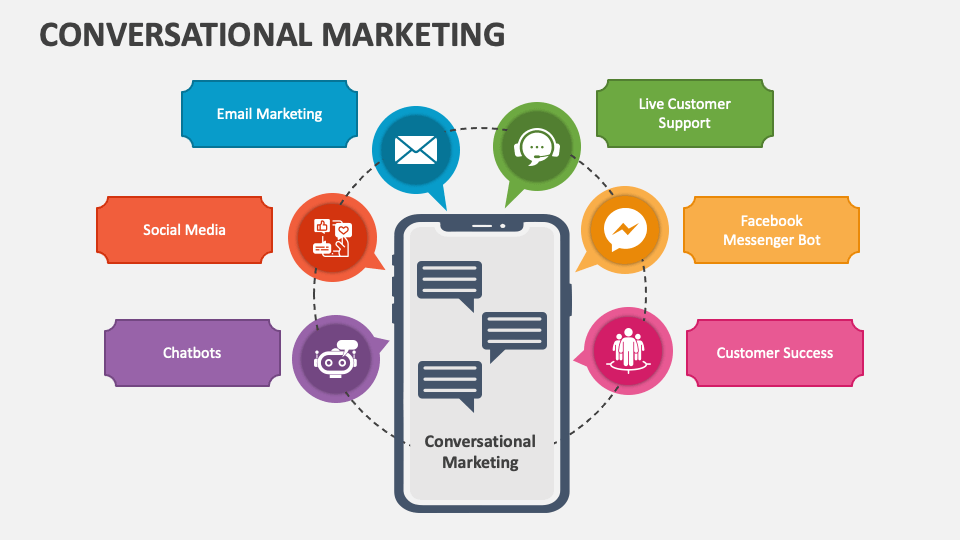
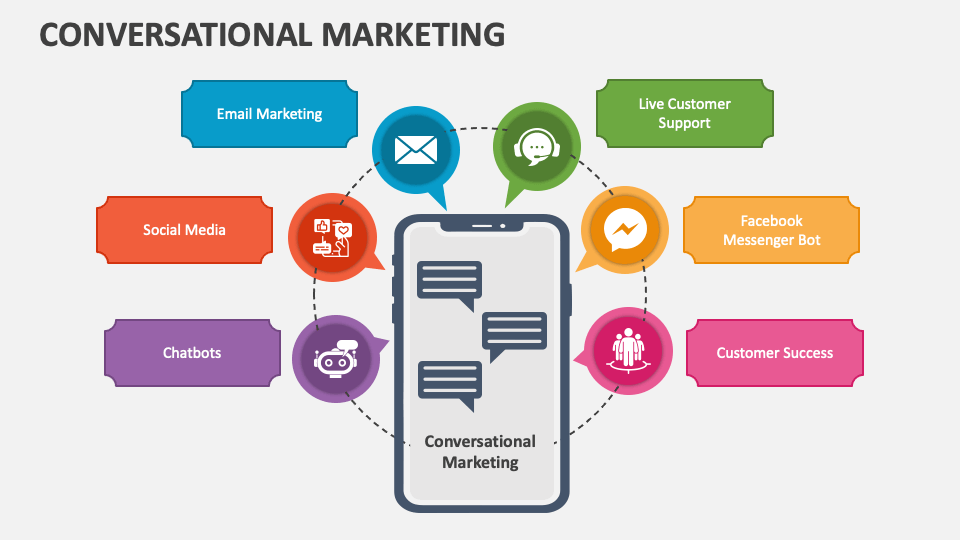
Conversational Marketing is a strategy that focuses on real-time, one-to-one conversations with customers across digital channels. Instead of one-way communication, it creates interactive experiences using:
- AI chatbots
- Live chat
- Voice assistants
- Messaging apps
- Automated conversational flows
The goal of Conversational Marketing is simple: build relationships, answer questions instantly, and guide users smoothly through the buyer journey.
When combined with voice search, Conversational Marketing becomes even more powerful, because both rely on natural language and user intent.
Why Voice Search and Conversational Marketing Go Hand in Hand
Voice search and Conversational Marketing share the same foundation: human conversation. Voice search queries sound like real conversations, and Conversational Marketing is designed to respond the same way a human would.
Here’s why they work so well together:
- Voice search users expect instant, clear answers
- Conversational Marketing delivers personalized responses
- Both focus on intent, not just keywords
- Both improve user experience and engagement
When your brand speaks the same language as your audience, trust and conversions naturally increase.
Strategy 1: Optimize Content for Conversational Queries
Traditional SEO focuses on short keywords. Voice search and Conversational Marketing require a question-based approach.
How to do it:
- Use long-tail, conversational keywords
- Write content that answers who, what, when, where, why, and how
- Add FAQ sections with natural language questions
- Structure content in a clear and concise way
For example, instead of targeting “digital marketing services,” optimize for:
“What digital marketing services help small businesses grow?”
This approach strengthens both voice search visibility and Conversational Marketing effectiveness.
Strategy 2: Create FAQ-Driven Content
FAQ pages are one of the most effective tools for Conversational Marketing and voice search optimization.
Voice assistants often pull answers directly from well-structured FAQs. When your content clearly answers user questions, your chances of appearing in voice search results increase.
Best practices:
- Use conversational tone
- Keep answers short and direct
- Focus on real customer questions
- Include schema markup if possible
This strategy helps your brand sound helpful, human, and authoritative.
Strategy 3: Leverage AI Chatbots for Conversational Marketing
AI chatbots play a key role in Conversational Marketing. They simulate real conversations and provide instant responses—perfect for voice-driven users who expect fast answers.
Benefits of chatbots:
- 24/7 customer support
- Personalized user journeys
- Faster lead qualification
- Better customer experience
Modern chatbots also integrate with voice assistants, making them a bridge between voice search and Conversational Marketing.
Strategy 4: Focus on Local Voice Search Optimization
A large percentage of voice searches are local-intent searches, such as “near me” queries.
Conversational Marketing can guide users from voice search to action by providing immediate, relevant information.
Key optimization steps:
- Optimize Google Business Profile
- Use local conversational keywords
- Add location-based FAQs
- Ensure consistent NAP details
This strategy is especially powerful for local businesses and service providers.
Strategy 5: Use Natural, Human Language in All Content
One of the biggest mistakes brands make is sounding robotic. Voice search and Conversational Marketing demand human-like communication.
How to improve:
- Write like you speak
- Avoid jargon and complex terms
- Use short sentences
- Answer directly before adding detail
The more natural your content sounds, the better it performs in Conversational Marketing campaigns.
Strategy 6: Optimize for Featured Snippets and Zero-Click Searches
Voice assistants often read out featured snippets as answers. If your content appears in position zero, your brand becomes the voice of authority.
To win featured snippets:
- Answer questions in 40–60 words
- Use bullet points and numbered lists
- Place answers near the top of the page
This directly boosts visibility in both voice search and Conversational Marketing experiences.
Measuring Success in Voice-Driven Conversational Marketing
To improve results, you must track performance. Important metrics include:
- Engagement rate
- Conversation completion rate
- Lead quality
- Conversion rate
- Customer satisfaction
Data from Conversational Marketing platforms helps you refine scripts, responses, and user flows over time.
The Future of Voice Search and Conversational Marketing
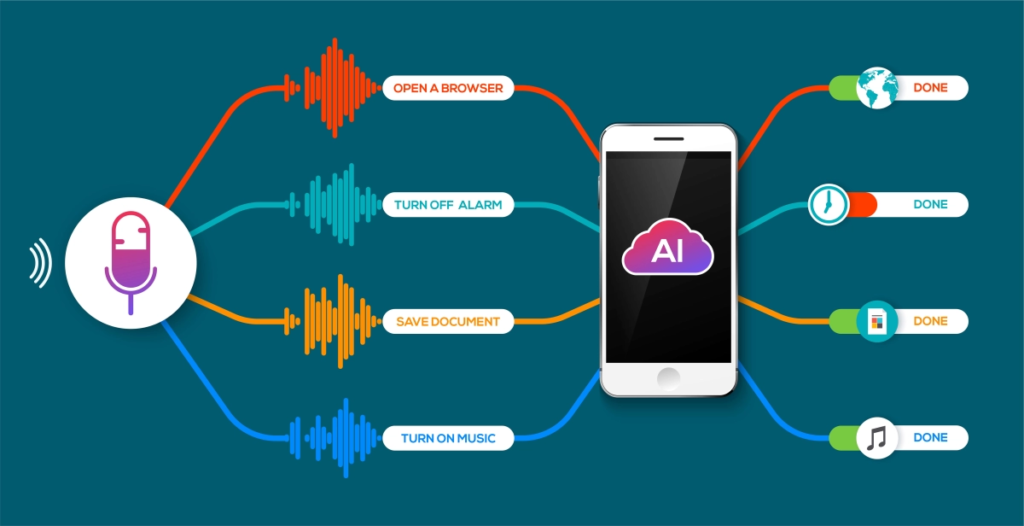
As AI becomes more advanced, Conversational Marketing will feel even more human. Voice assistants will understand emotions, intent, and context better than ever.
Brands that invest early in voice-friendly content and conversational strategies will gain a competitive advantage. The future belongs to businesses that listen, respond, and engage—just like a real conversation.
Final Thoughts
Voice search is no longer optional—it’s essential. When combined with Conversational Marketing, it transforms how brands connect with their audiences.
By optimizing for natural language, using AI-powered conversations, and focusing on user intent, businesses can create meaningful digital experiences that drive real results.
If your brand wants to stay relevant in 2026 and beyond, it’s time to stop talking at customers—and start talking with them.